

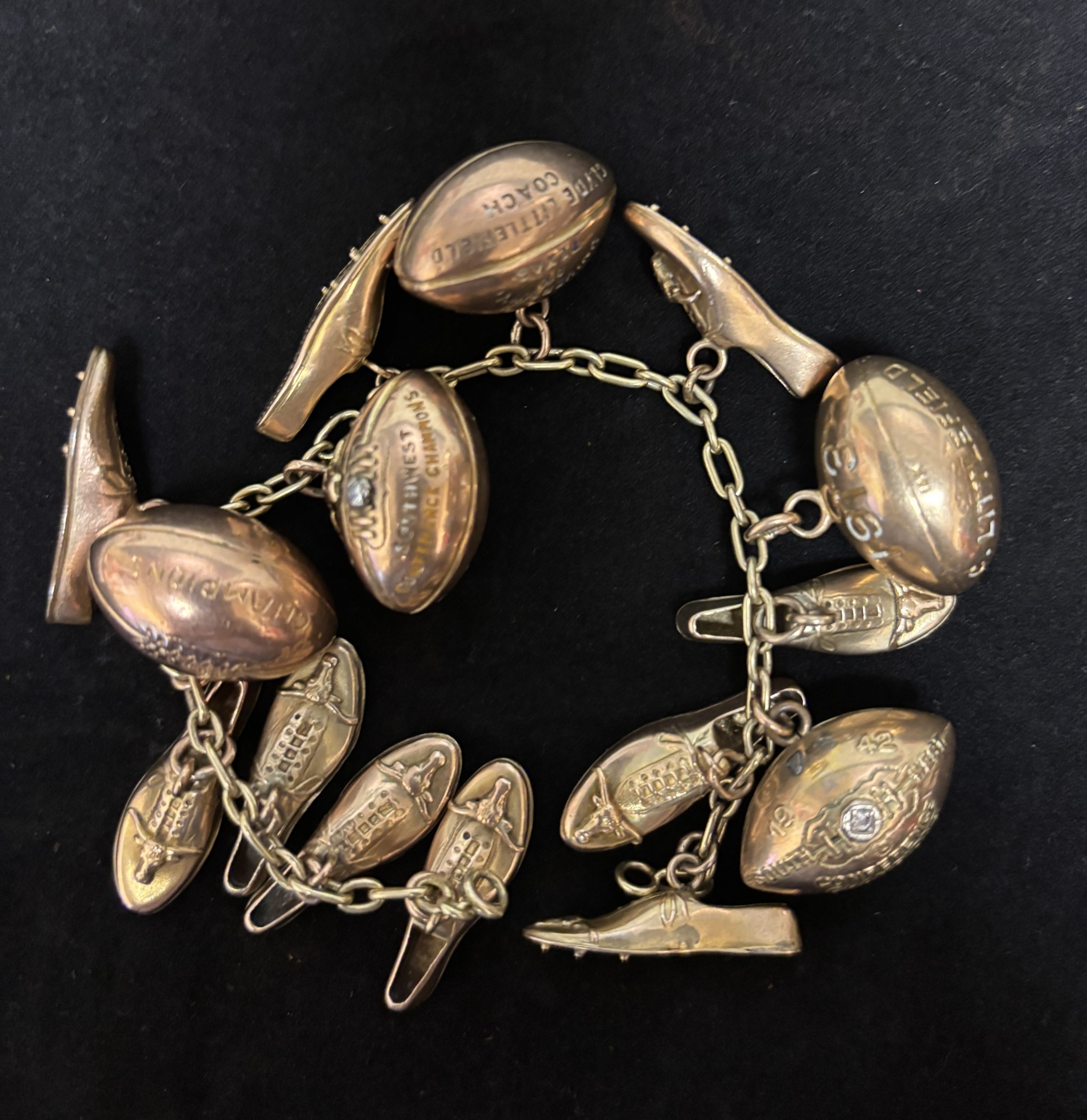
We have lost many traditions and social norms over the years. Gentlemen and ladies once wore hats and more formal attire in public, and young couples marked their relationships by “pinning” one another. Among one of the most sentimental traditions we have drifted away from is the charm bracelet. These pieces of memory jewelry adorned a woman’s wrist, each charm marking the special moments in her life: birthdays, trips, and personal achievements. A charm bracelet was built over many years and was almost like a wearable diary. One such charm bracelet is on display in our current exhibit Longhorns v. Aggies gallery. It belonged to a true icon of Texas Athletics: Clyde Littlefield.
I can’t talk about Clyde Littlefield’s charm bracelet without first giving some historical context of the greatness of this man. A visit to the Stark Center for Physical Culture and Sports from one of our star Longhorn football players a few weeks ago reminded me how history can fade if it isn’t brought back into focus from time to time. This very intelligent young man was researching the Texas Relays, and I had the pleasure of introducing him to Clyde Littlefield himself, through Clyde’s personal scrapbooks. It was a meaningful way to connect the past to the present and future of Texas Athletics.
Clyde Littlefield (1892-1981) entered the University of Texas in 1912 and made an immediate impact. He earned 12 letters as a three-sport athlete in football, basketball, and track. He was a member of the undefeated 1914 football team and was one of the first quarterbacks to popularize the forward pass at Texas.
In basketball, he earned All-America honors on three unbeaten teams. In track, he never competed on a losing team, specialized in hurdling and equaled the collegiate world record in the 120-yd high hurdles. Oh—and by the way—he ALSO won two games for the Longhorn baseball team as a pitcher. However, because he didn’t letter (track was his priority in the spring), it’s often overlooked that he was, at times, effectively a four-sport athlete.
In 1920, after high school coaching stints, the University’s Athletic Director, Theo Bellmont, brought him back to Texas as the head track coach and freshman football and basketball coach. Like many coaches of the era, he held a joint appointment as both coach and faculty member, teaching academic and physical training classes. In 1925, Littlefield and Bellmont co-founded the Texas Relays and developed it into the premier track meet in the country. In 1937, he was moved to head football coach and won two SWC Championships in his six-year tenure. In 1933, he stepped down to focus solely on track and field.
Clyde Littlefield was the Head Track and Field Coach at UT for an extraordinary 41 years, from 1920-1961. During this time, he compiled an astonishing:
*25 Southwest Conference Championships
*14 second place finishes in the SWC
*12 national collegiate individual champions
*3 Olympians
*2 relay teams that set world records
He was also a member of the coaching staff for the 1952 Olympics, served for years on the Rules Committee for USA Track & Field, and was the president of the NCAA Track Coaches Association. He has been inducted into every major Track Hall of Fame in the country and in 1963, Governor Connelly declared April 2, 1963 “Clyde Littlefield Day” in the State of Texas when the Texas Relays was officially renamed the Clyde Littlefield Texas Relays. This year, the 98th Clyde Littlefield Texas Relays begins today and goes through Saturday, April 4th. Over 5,000 athletes from high school, university, and professional levels come to compete in a wide variety of track and field events. This time of year always invites reflection on the many athletes who have competed for the burnt orange and the traditions that continue to define Texas Athletics.
That reflection brings me back to the Clyde Littlefield charm bracelet in our display case and to the new additions we received yesterday, on the eve of the relays. A gentleman who was close to Clyde Littlefield’s son, Clyde Rabb Littlefield, brought us a collection of beautiful gold track spike charms that once belonged to Littlefield himself. Each charm, engraved with its respective year, represents a Southwest Conference championship. Some were even marked “CL-Coach.” Alongside them, we received Littlefield’s engraved pocket watch from 1926, one hundred years old this year. These mementos are more than artifacts. They are tangible reminders of a legacy that continues to shape Texas Athletics, linking generations of competitors through achievement, tradition, and pride.
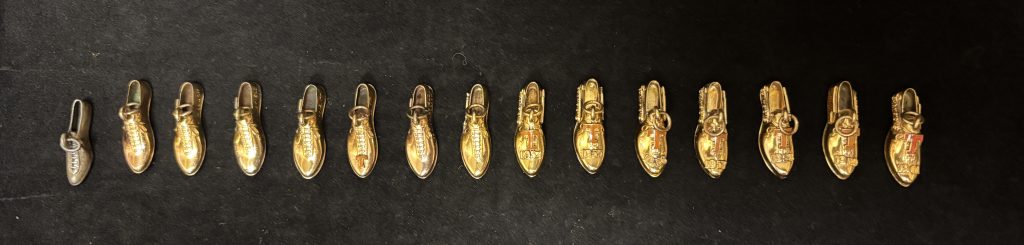 15 Southwest Conference Track & Field Charms
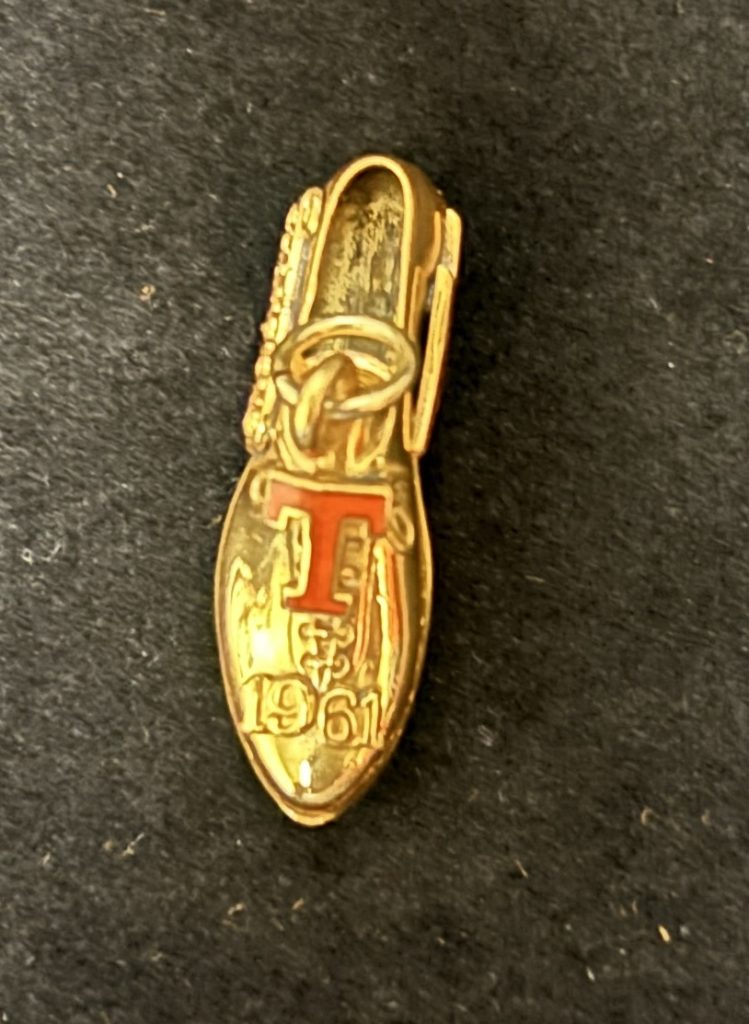 1961 SWC T&F Charm top view
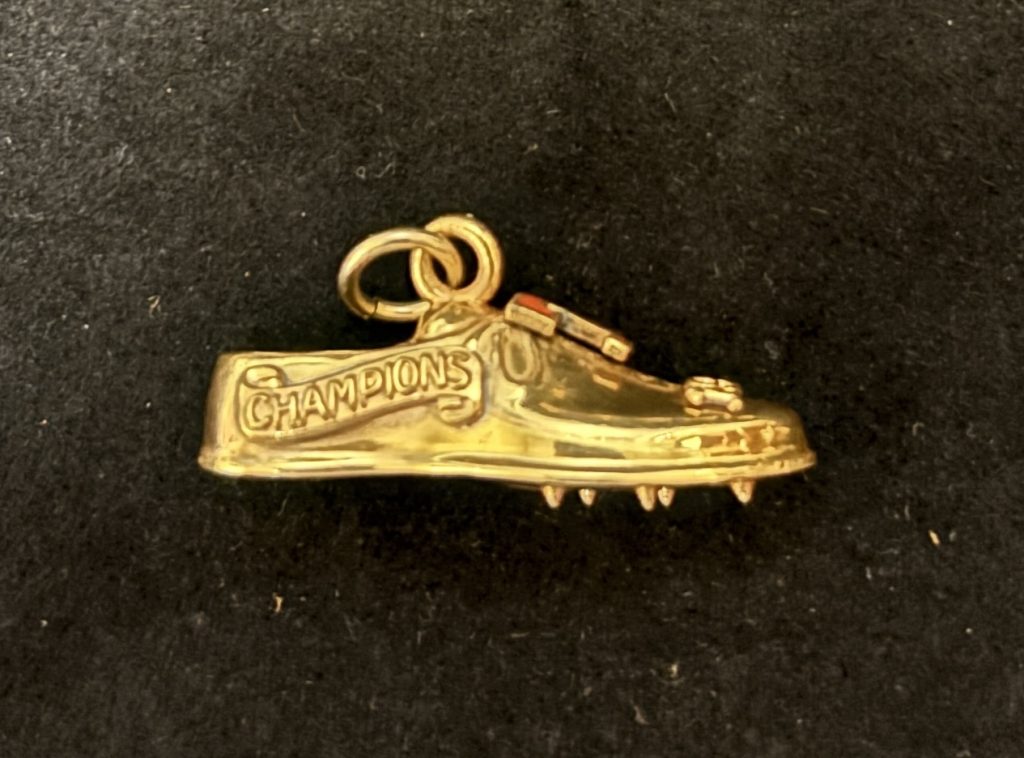 1961 SWC T&F Charm side view
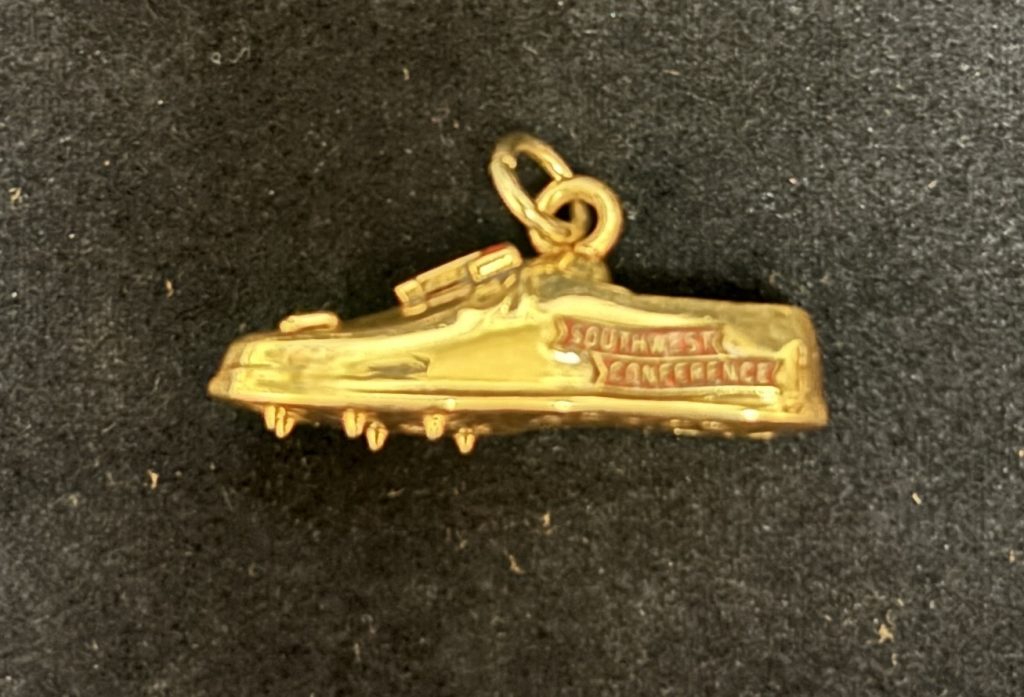 1961 SWC T&F Charm side view
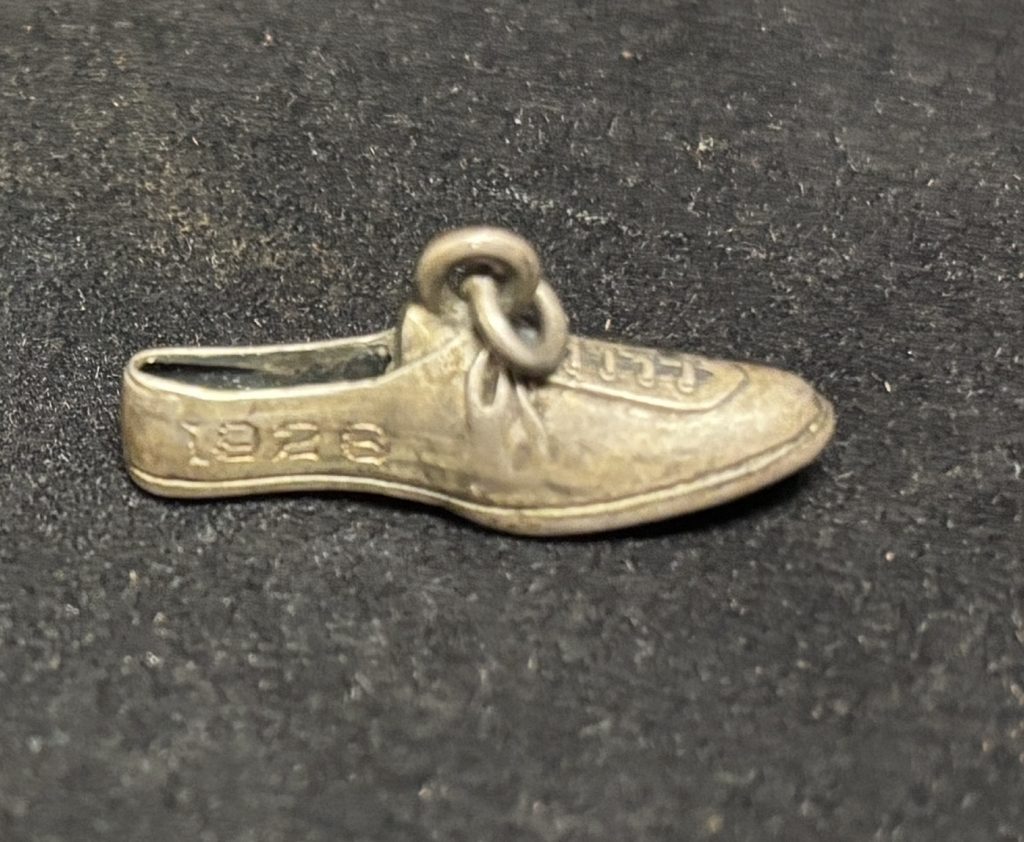 1928 Sterling Silver SWC T&F Charm
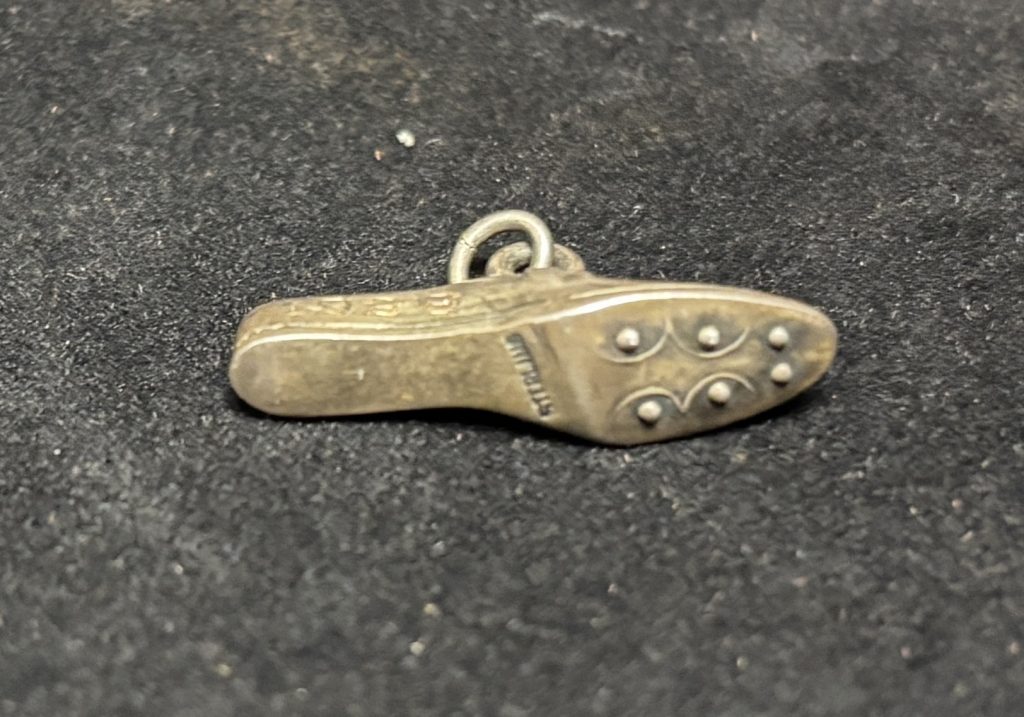 1928 Sterling Silver SWC T&F Charm spikes
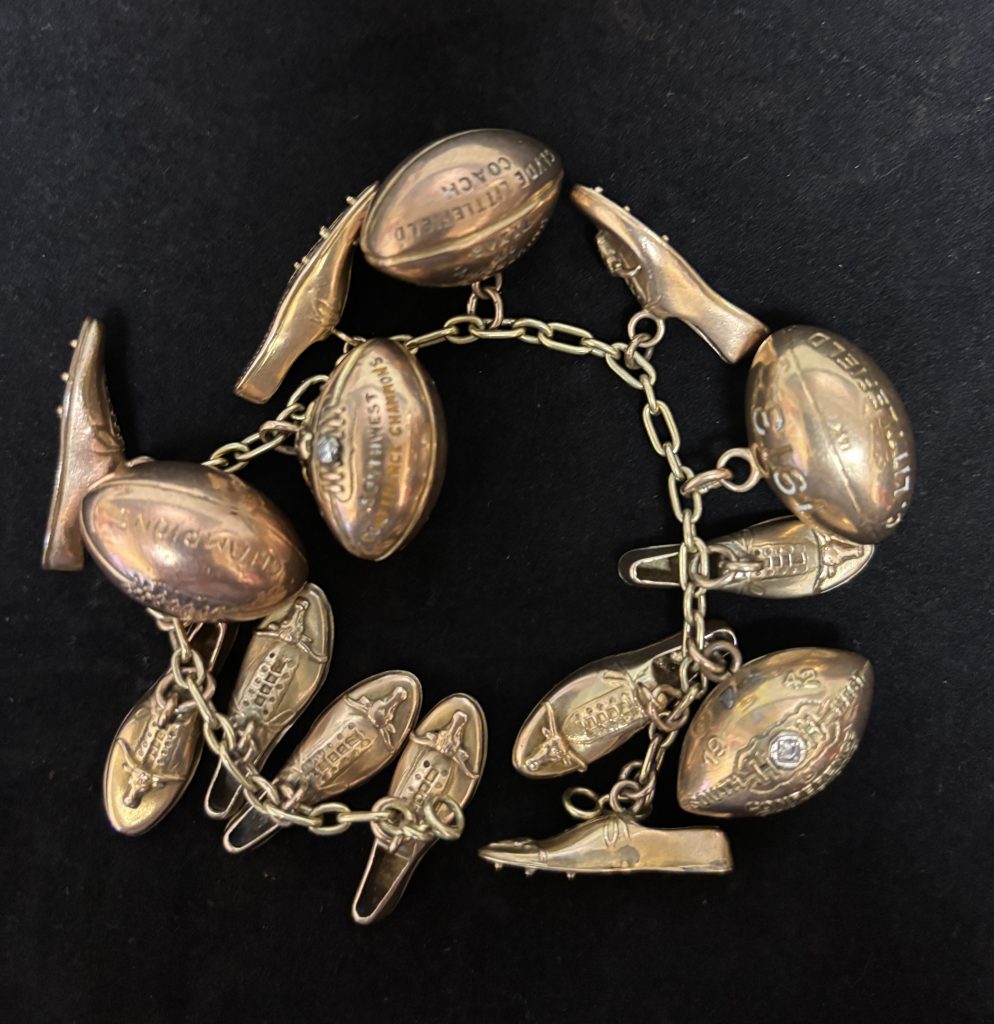 Clyde Littlefield Charm Bracelet
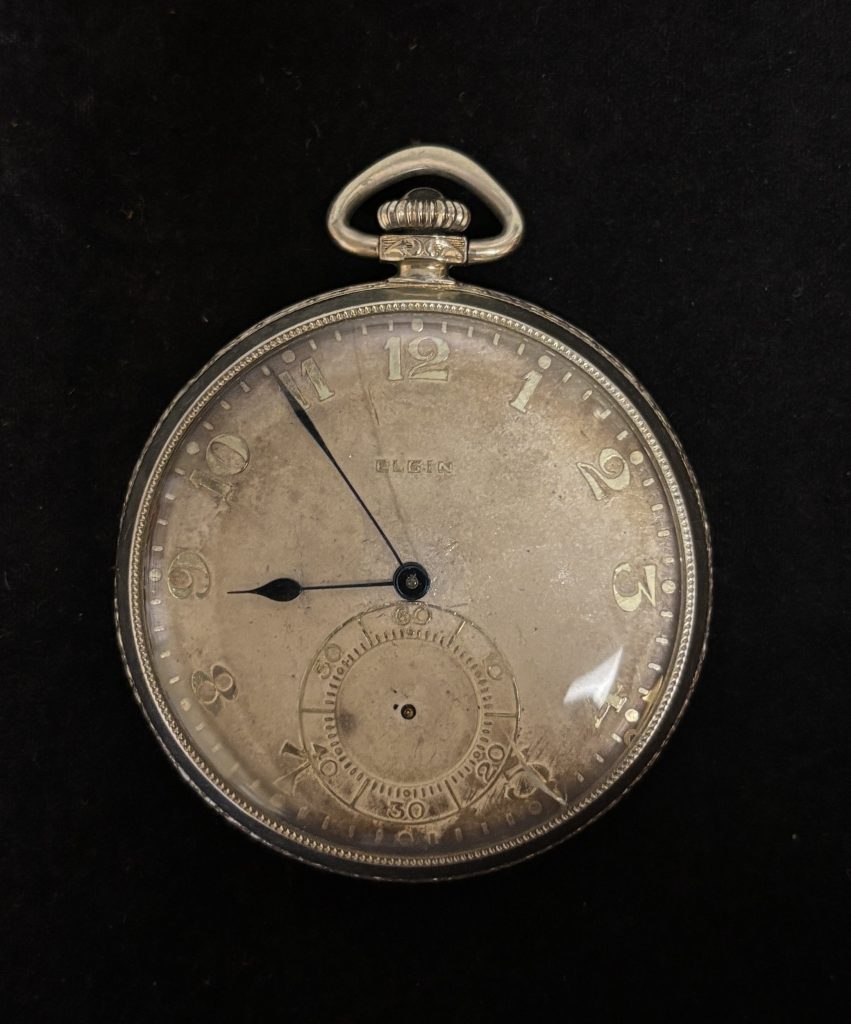 Clyde Littlefield 1926 Watch
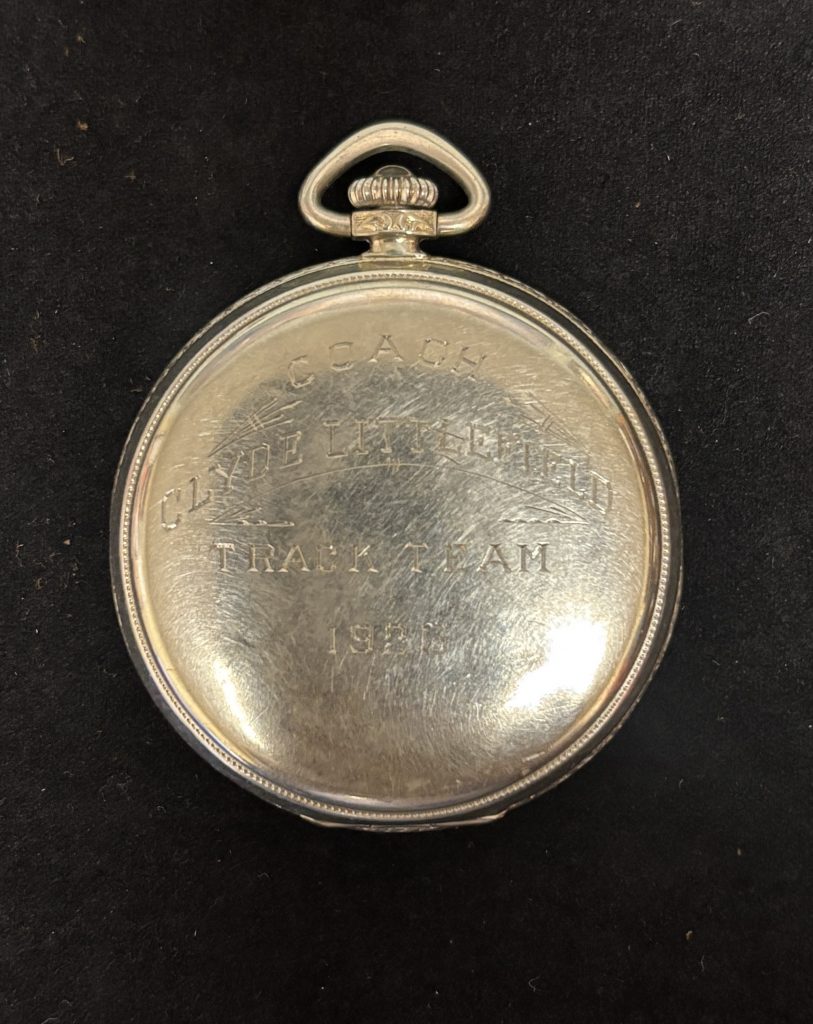 Clyde Littlefield 1926 Watch back
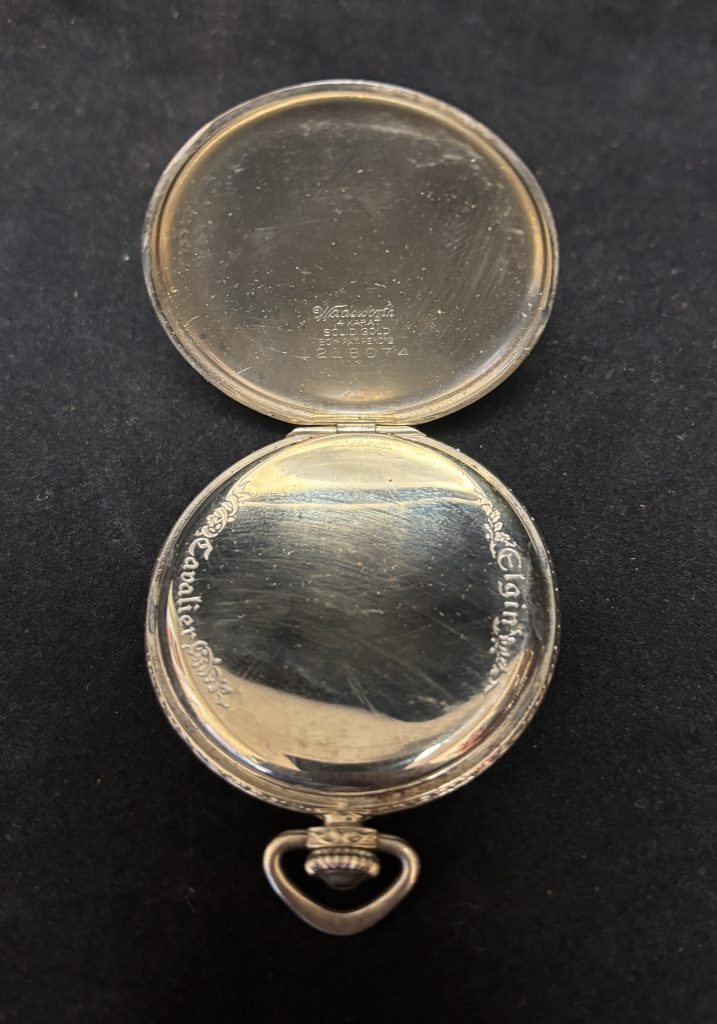 Clyde Littlefield 1926 Watch inside
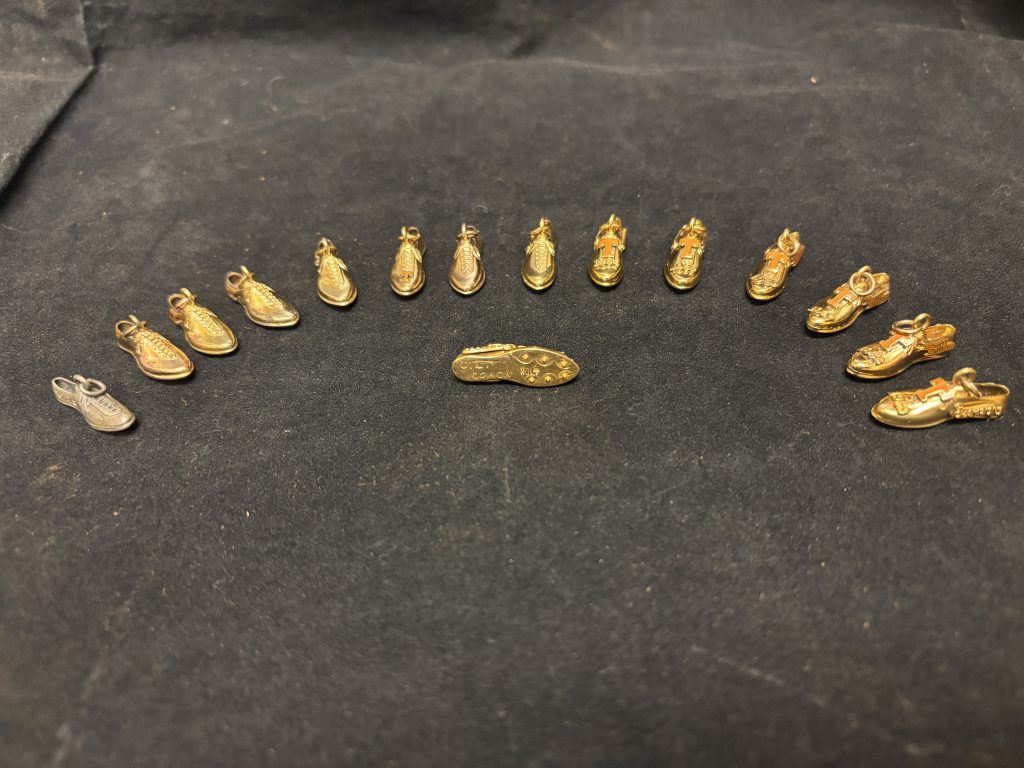 15 SWC Charms

Leave a Reply